Your First Electric Truck Road Trip: A Charging Plan That Can Adapt
Plan the difficult leg first
Start with the part of the journey that has the fewest alternatives: a remote stretch, a late arrival or the drive after a campsite stay. Work backward from a compatible charging stop and a separate backup. Then fill in the easier legs. This exposes a weak route before you spend time optimizing the departure.
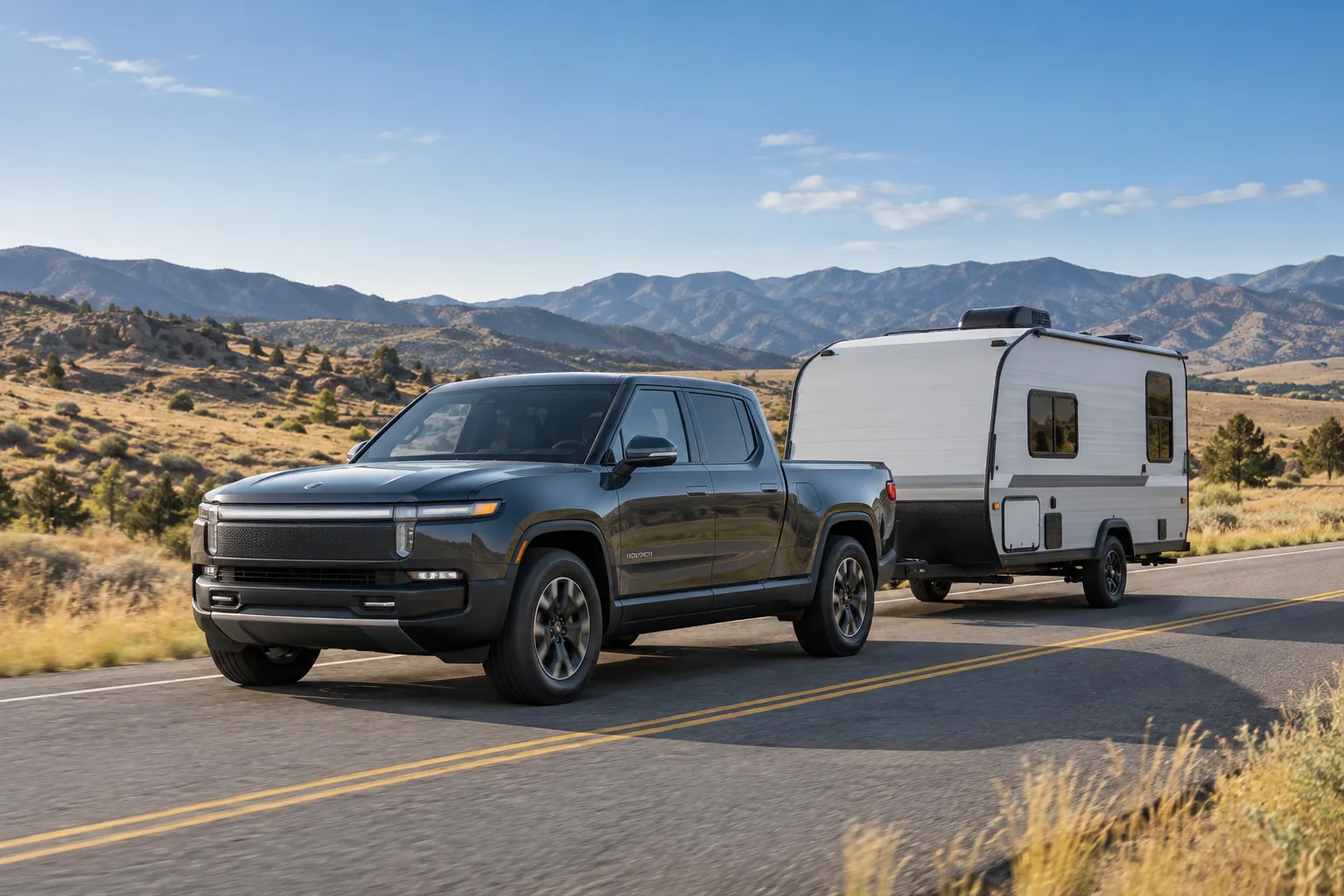
Use the truck’s route planner where available, but review its assumptions about load, weather and arrival charge. An EPA range number is not a promised highway distance or a towing estimate. If you are taking a trailer, plan using evidence for that combination or conservative scenarios you can revise during the journey.
Check the vehicle, connector and location together
Write down the exact truck, model year, charge-port type and approved adapter, if one is required. Physical fit alone does not establish network access. Tesla distinguishes between Supercharger locations with different access rules; its app or compatible-location map should be checked for your vehicle. Do not assume every red pin accepts every electric pickup.
An adapter for DC fast charging is not interchangeable with an AC charging adapter just because the connector looks familiar. Follow the vehicle and network instructions for that equipment. Chevrolet’s support page, for example, describes its NACS DC adapter and the separate public-charging enrollment process. Verify the current instructions for your own manufacturer before departure.
Choose usable stops, not just large power numbers
A station’s advertised kW is not the average power your truck will receive. Battery charge level, temperature, vehicle limits and equipment conditions affect a session. The U.S. Department of Transportation explains that charging slows as a battery fills. Plan enough energy for the next leg and your reserve rather than assuming every stop should end at 100%.
Check operating hours, nearby facilities and pickup parking space. With a trailer, investigate the approach and whether you would need to unhitch somewhere permitted and safe. A short cable or awkward stall can turn an apparently convenient stop into a poor choice. Do not block other charging spaces to make a cable reach.
Rehearse one local charging session
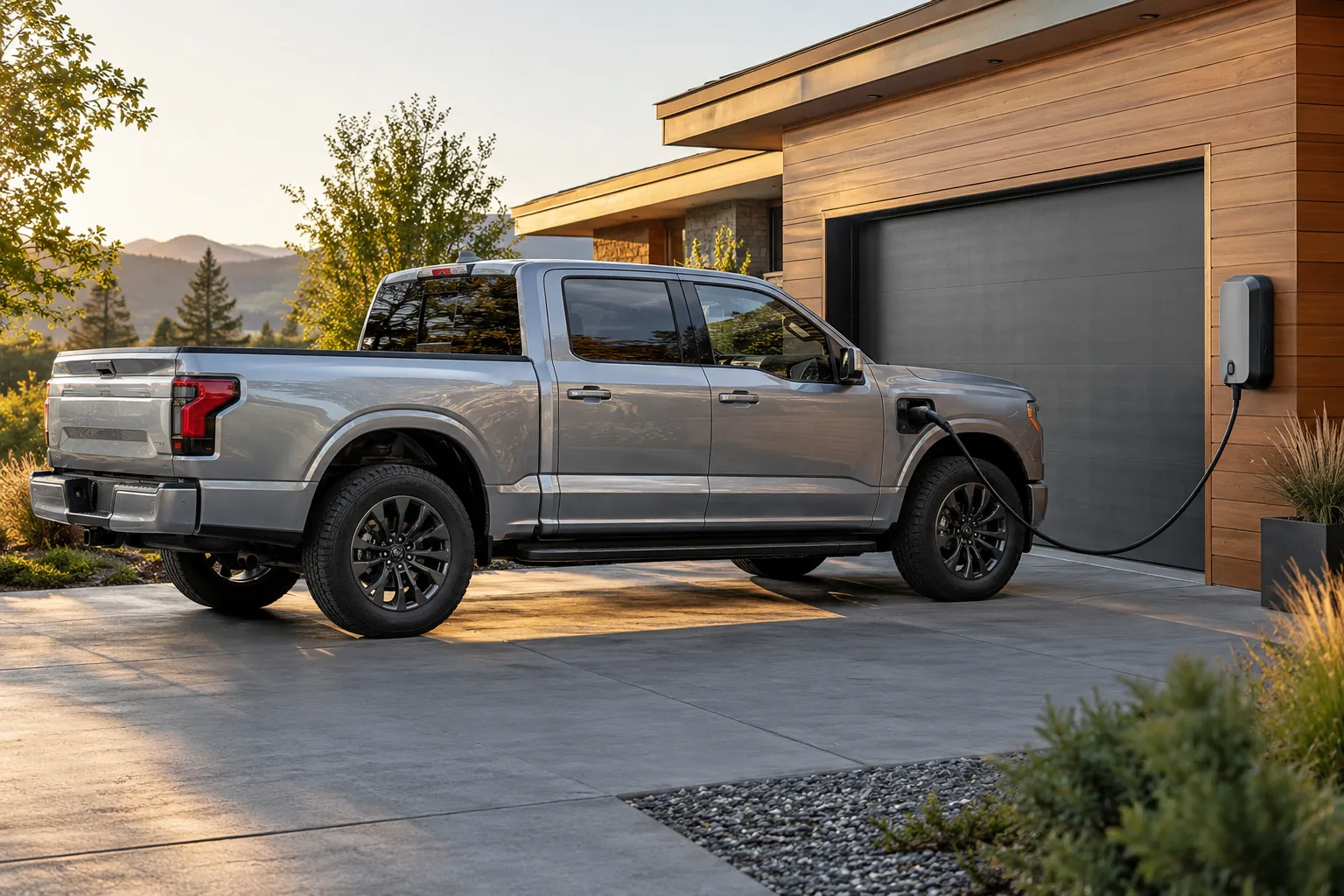
Before a long trip, try a compatible public charger near home. Set up any required account and payment method, follow the start procedure, and learn how to end the session. Check the posted tariff and potential idle or parking fees. Keep the network’s support details available without relying on a fresh download at a remote stop.
Practice the vehicle’s recommended charging preparation, including navigation-based battery conditioning where supported. A successful rehearsal confirms that particular setup on that day. It does not certify every adapter, network location or future software version.
Keep a decision point before the backup disappears
For each sparse leg, note where you would divert if the planned charger becomes unavailable. Make that decision while the alternative remains reachable. Review live station information before committing, and compare actual energy use with the truck’s arrival estimate during the drive.
Treat extra charging time as one possible response to worsening conditions, alongside a different stop, a slower route or a changed overnight plan. The charging-time and towing-range calculators can explore assumptions; they do not report live charger status or navigate a safe route. Refresh the plan when the trip stops resembling your assumptions.