Electric Trucks in Winter: Range and Charging
Rebuild the winter plan
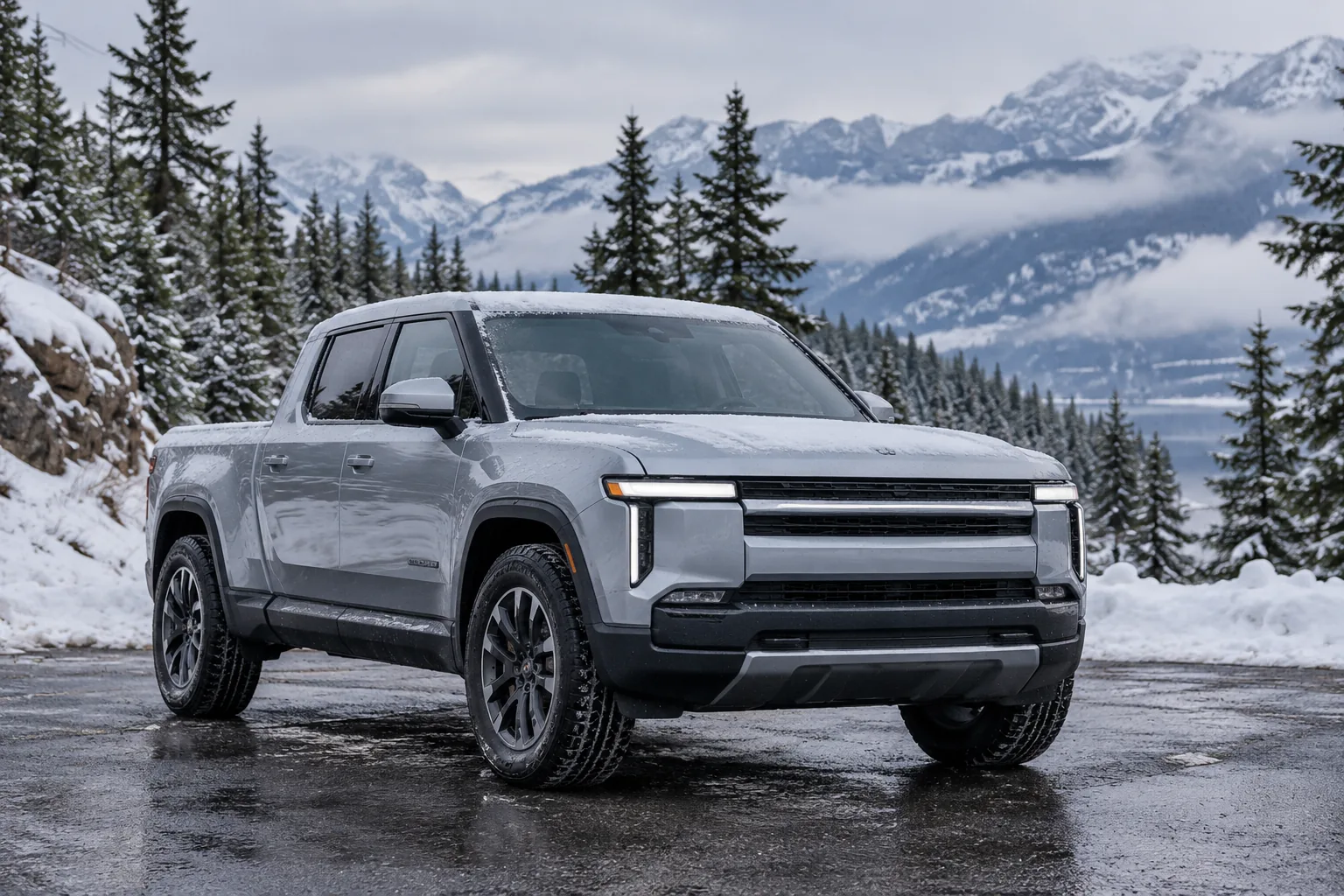
Cold conditions can change energy consumption, available regenerative braking, battery conditioning, and charging behavior. A route that is comfortable in mild weather may need a different stop or departure charge in winter. There is no universal percentage loss that applies to every truck and journey.
Track your own conditions, including temperature, wind, speed, tires, and whether the vehicle began the trip plugged in. Short trips with repeated cabin warm-up are different from a continuous highway drive. Keep those patterns separate when interpreting the dashboard.
Work through a winter range example
Assume a 300-mile mild-weather full-charge baseline only to explore the arithmetic. An assumed 20% winter reduction gives 240 full-charge miles; an assumed 35% reduction gives 195. With an 80% departure charge and a 20% arrival reserve, the respective distances are 144 and 117 miles. The percentages and reserve are hypothetical planning choices, not measured truck results or recommended limits.
A 130-mile leg fits the first scenario and misses the second. Identify a compatible earlier stop and a reachable backup before committing to that leg. Replace these assumptions with evidence for your configuration and conditions, then keep reassessing the vehicle’s arrival estimate. Do not apply a generic passenger-car winter percentage to every pickup, or add a winter reduction again when your baseline already comes from comparable winter driving.
Use the vehicle’s conditioning features
Where supported, scheduled departure and plugged-in cabin conditioning can improve comfort and help prepare the vehicle. Follow the owner manual for battery preconditioning and navigation-based charging preparation. The available behavior depends on the truck and its software.
Do not assume that turning on cabin heat always conditions the battery for fast charging. Check the vehicle’s indicators and manufacturer guidance. Allow more time at stops when the pack is cold or weather is severe.
Check four things the evening before departure
First, compare the forecast and route with the conditions behind your range assumption. Second, check the exact vehicle manual for departure scheduling and battery preparation. Third, confirm compatible charging locations, hours and alternatives. Fourth, choose a decision point where you can still divert if weather, consumption or charger status changes.
Keep a separate note of cold starts, cabin-heating use, trip length and any towing. A short-trip commute with repeated warm-ups should not be treated as the same test as a long highway run. The DOE cold-weather source explains general effects; it is not a winter test of the specific truck you are considering.
Keep charging equipment usable
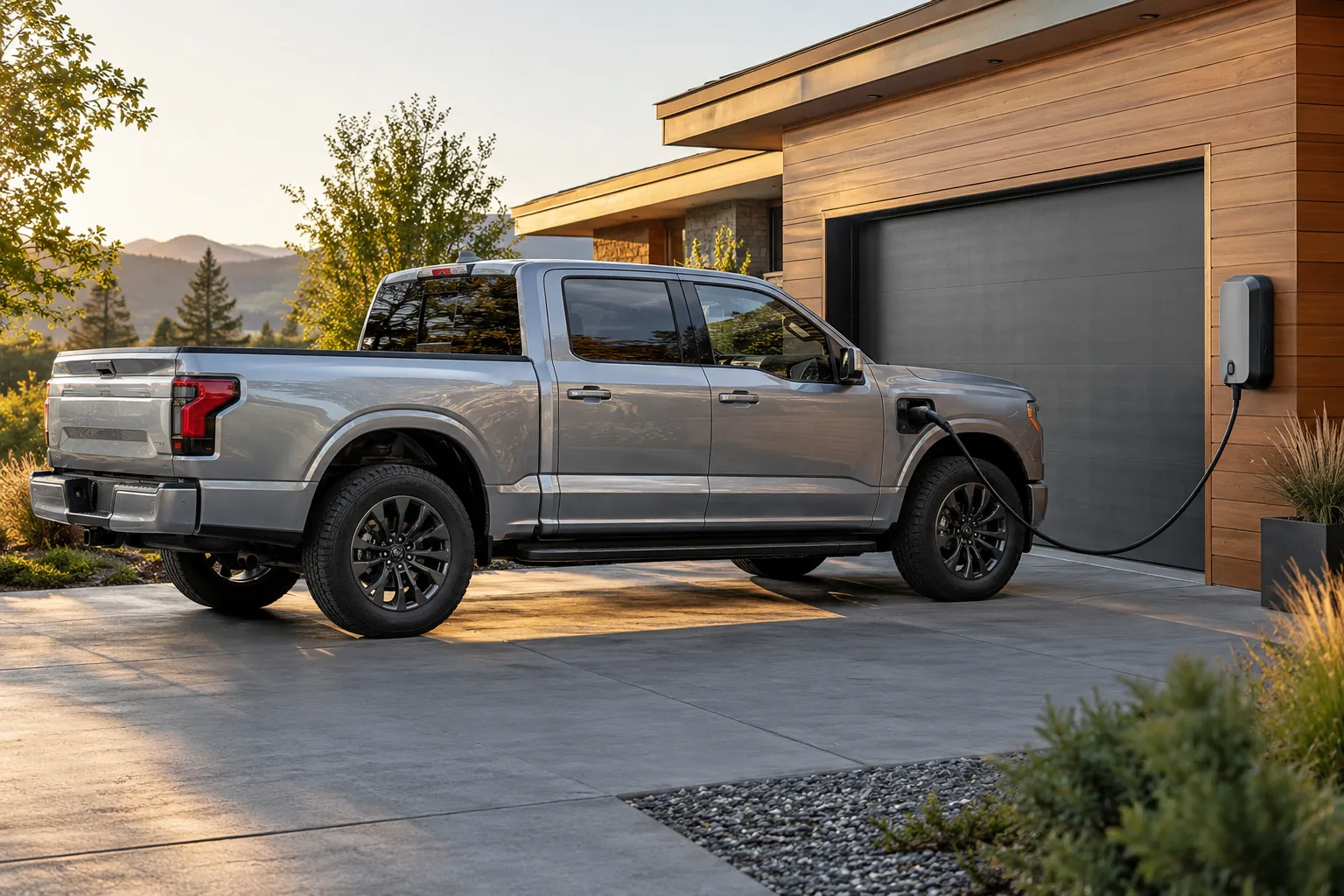
Locate the cable so snow clearing and foot traffic do not damage it. Keep connectors protected as the manufacturer instructs, inspect for damage, and avoid forcing a frozen latch. Use only approved methods to clear ice from a charge port.
An outdoor charging setup needs equipment and installation suitable for the environment. Consult a qualified electrician if you notice heat damage, damaged insulation, or recurring faults. Do not improvise heating devices or electrical connections to work around a problem.
Give the route more options
Check current weather, road closures, charger status, and nearby alternatives before departure. Charging delays and detours can compound, so identify a backup before committing to a sparse corridor. Keep warm clothing and appropriate emergency supplies accessible.
Reassess during the trip using the truck’s live consumption and arrival estimate. A battery reserve is a planning choice that should reflect conditions and alternatives; this guide does not prescribe one percentage for every journey.
Treat traction as its own problem
All-wheel drive and a heavy vehicle do not remove the need for suitable tires, safe speeds, and additional stopping distance. Follow local rules and the owner manual for winter tire selection, traction devices, tire pressure, and load limits.
Regenerative braking can behave differently on a cold battery or slippery surface. Learn the vehicle’s controls in a safe setting and follow its operating guidance. Do not rely on a particular amount of regeneration being available on every descent.
Measure and adapt
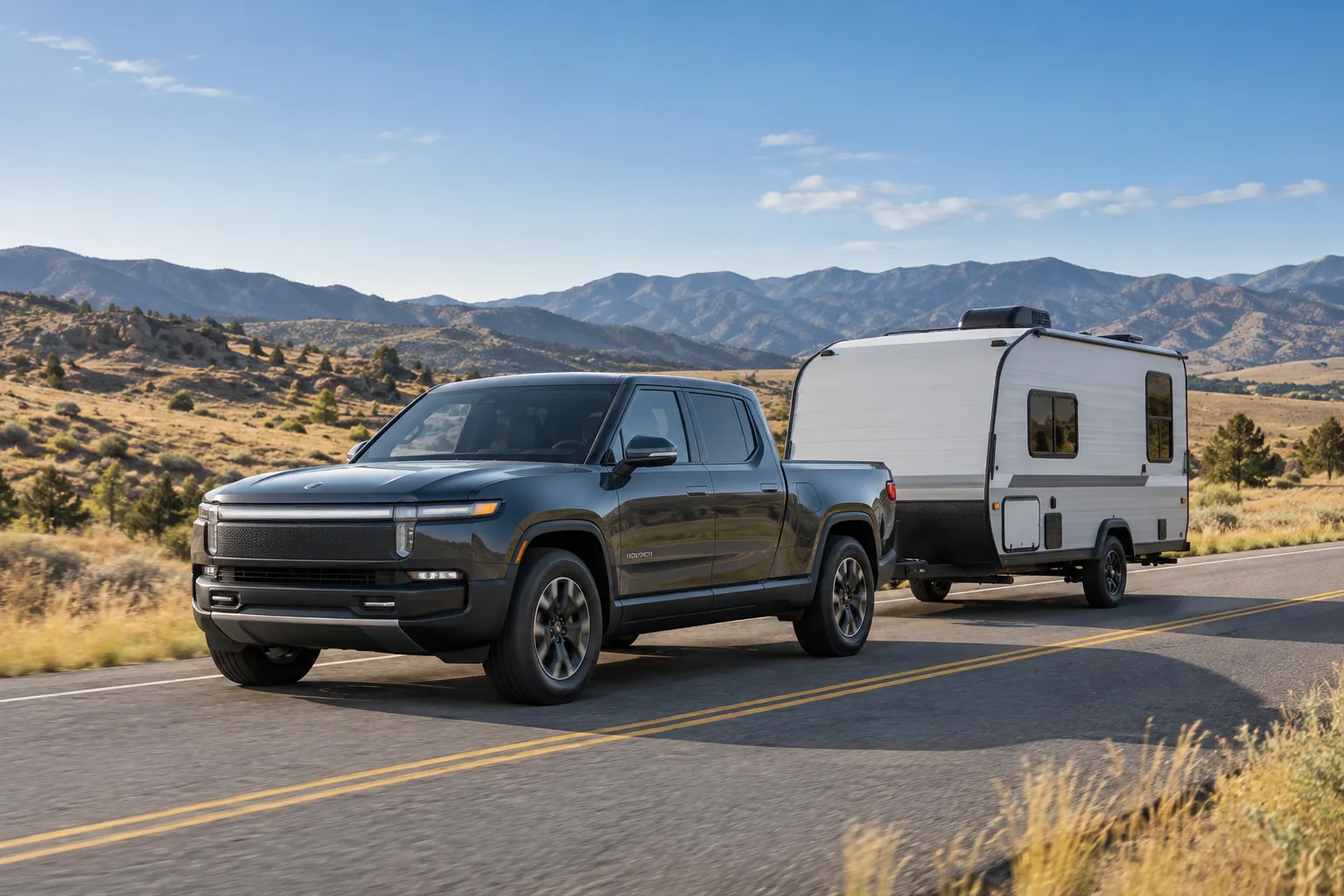
Keep a simple log of distance and energy for a few winter weeks. Use that experience to adjust calculator inputs and departure planning. Include towing or roof-mounted cargo as separate scenarios, since they can change the load substantially.
Winter preparation is a repeatable routine: suitable tires, clear equipment, a realistic energy plan, flexible charging stops, and current weather information. Revisit it when the route or season changes.